

Why Are Sexual and Reproductive Health and Rights a Priority?
In West Africa, indicators related to sexual and reproductive health and rights remain particularly weak.
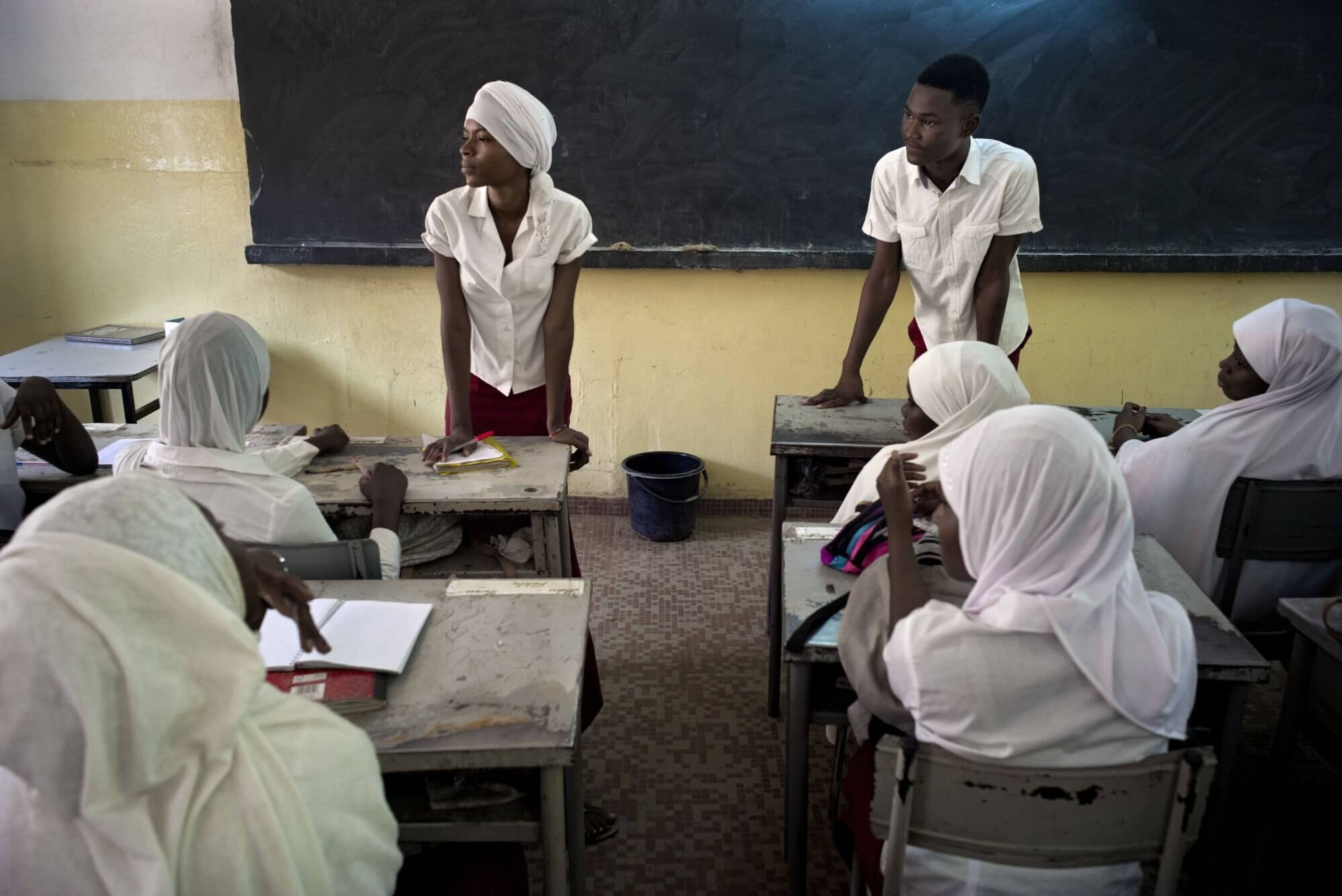
People—particularly young people and adolescents, as well as the most marginalized—still face numerous barriers to fully exercising their rights and bodily autonomy and accessing comprehensive, high-quality services tailored to their needs.
SRHR is currently facing multiple threats: political restrictions, rising conservatism, and declining international funding.
These developments threaten the significant progress made over the past decades, particularly in the areas of contraception, safe abortion, and care for survivors of gender-based violence.
What are sexual and reproductive health and rights (SRHR)?
Sexual and reproductive health and rights (SRHR) refer to the rights and services that enable every person to live their sexuality and reproductive life freely, in an informed manner, without discrimination, violence, or stigma. They include, in particular, access to information and education on sexual and reproductive health; contraception; prevention and treatment of HIV and sexually transmitted infections; care related to pregnancy and childbirth; comprehensive abortion care; and prevention and treatment of gender-based violence. SRHR is based, in particular, on the right to autonomy, integrity, dignity, and the freedom to make decisions about one’s own body.
Why are sexual and reproductive health and rights a major public health issue?
Sexual and reproductive health and rights are a matter of human rights, gender equality, and public health. In West Africa, many people—particularly women, adolescents, young people, and those in vulnerable or marginalized situations—still face barriers to accessing appropriate, high-quality sexual and reproductive health information, products, and services. These barriers can have consequences related to unintended pregnancies, maternal and neonatal health, sexually transmitted infections, HIV, and gender-based violence. Ensuring access to SRHR thus helps reduce health inequities and enables every person to fully exercise their rights and autonomy.
What are the main areas of sexual and reproductive health and rights?
SRHR covers a range of needs and services throughout the life course. These include, in particular, sexual and reproductive health education, contraception and family planning, prevention, screening, and treatment of HIV and sexually transmitted infections, prevention, screening, and treatment of cervical cancer, comprehensive abortion care, and prevention and treatment of gender-based violence. They also include services tailored to adolescents and young people, as well as consideration of the specific needs of people in vulnerable situations. This approach is integrated with maternal, neonatal, and child health.
Why is maternal, neonatal, and child health a priority for Solthis?
The health of women, newborns, and children is a priority for Solthis because a large proportion of maternal, neonatal, and child deaths could be prevented through stronger health systems and access to quality care. Solthis works specifically to improve the availability and quality of maternal, neonatal, and child health services, particularly at the primary health care level. Its work includes prenatal care, emergency obstetric and neonatal care, postnatal care, prevention of mother-to-child transmission of HIV, and care for children exposed to HIV. In the area of child health, Solthis focuses on the integrated management of childhood illnesses, prevention and vaccination, the diagnosis and treatment of infectious diseases, and referrals to appropriate facilities.
How does Solthis work to improve sexual and reproductive health and rights, as well as maternal and child health?
Solthis works on multiple levels to improve access to high-quality sexual, reproductive, maternal, and child health services. It supports health professionals and facilities to strengthen their skills, practices, and service organization, while working with communities and civil society organizations to build their capacity to take action. This approach helps improve prevention, screening, care, and patient referrals throughout the care continuum. Solthis also collaborates with national authorities and partners to ensure the sustainability and scaling up of the solutions developed. The goal is to contribute to services that are more accessible, inclusive, tailored to the needs of the population, and capable of sustainably improving the health of women and children.